- Opening Hours: Monday - Saturday 9 am to 5 pm

- First Floor, Premier Towers,
Ministries Accra - Call us!+233 322 194 384
- Email:info@ibuildlimited.com
How to Build a House in Ghana: A Complete Step-by-Step Guide - iBuildCore Homes & Estates
Jul/26
- ibuildlimitedAdmin
- Construction
- July 14, 2026
- 0 Comments
Building a house is one of the biggest financial and personal investments many people make. For salaried workers, professionals and Ghanaians living abroad, owning a home can represent years of saving, planning and sacrifice.
However, building a house in Ghana involves much more than putting money into a construction project. You need suitable land, a realistic budget, professional design, reliable contractors, quality materials, effective project management and continuous monitoring.
Without proper planning, a project that starts with excitement can become stressful, expensive and significantly delayed.
So, how do you build a house in Ghana successfully?
The process can be broken down into several important stages.
1. Define Your Building Objectives
Before buying materials or engaging a contractor, determine exactly what you want to achieve.
Ask yourself:
- What type of house do I want?
- How many bedrooms do I need?
- Who will live in the house?
- Is it a personal residence or an investment property?
- What location do I prefer?
- What is my available budget?
- Do I intend to build immediately or gradually?
- What level of finishing do I want?
Your answers will influence the design, land requirements, construction cost and timeline.
A common mistake is to begin construction before establishing a realistic project scope.
2. Identify and Secure Suitable Land
Land is the foundation of the entire project.
If you already own land, the property should be properly assessed before construction begins. If you don't own land, you may need professional assistance identifying suitable property.
Important considerations include:
- Location
- Accessibility
- Plot size
- Topography
- Availability of utilities
- Drainage
- Neighbouring development
- Land documentation
- Planning requirements
- Suitability for the intended building
Land-related issues can become extremely costly when discovered after construction has started.
3. Conduct a Site Assessment
A professional site assessment helps determine whether the proposed development is suitable for the site.
The assessment may consider:
- Site dimensions
- Ground conditions
- Access
- Drainage
- Orientation
- Existing structures
- Utility connections
- Environmental considerations
- Construction requirements
The findings can influence both the architectural design and the project budget.
4. Develop the Architectural Design
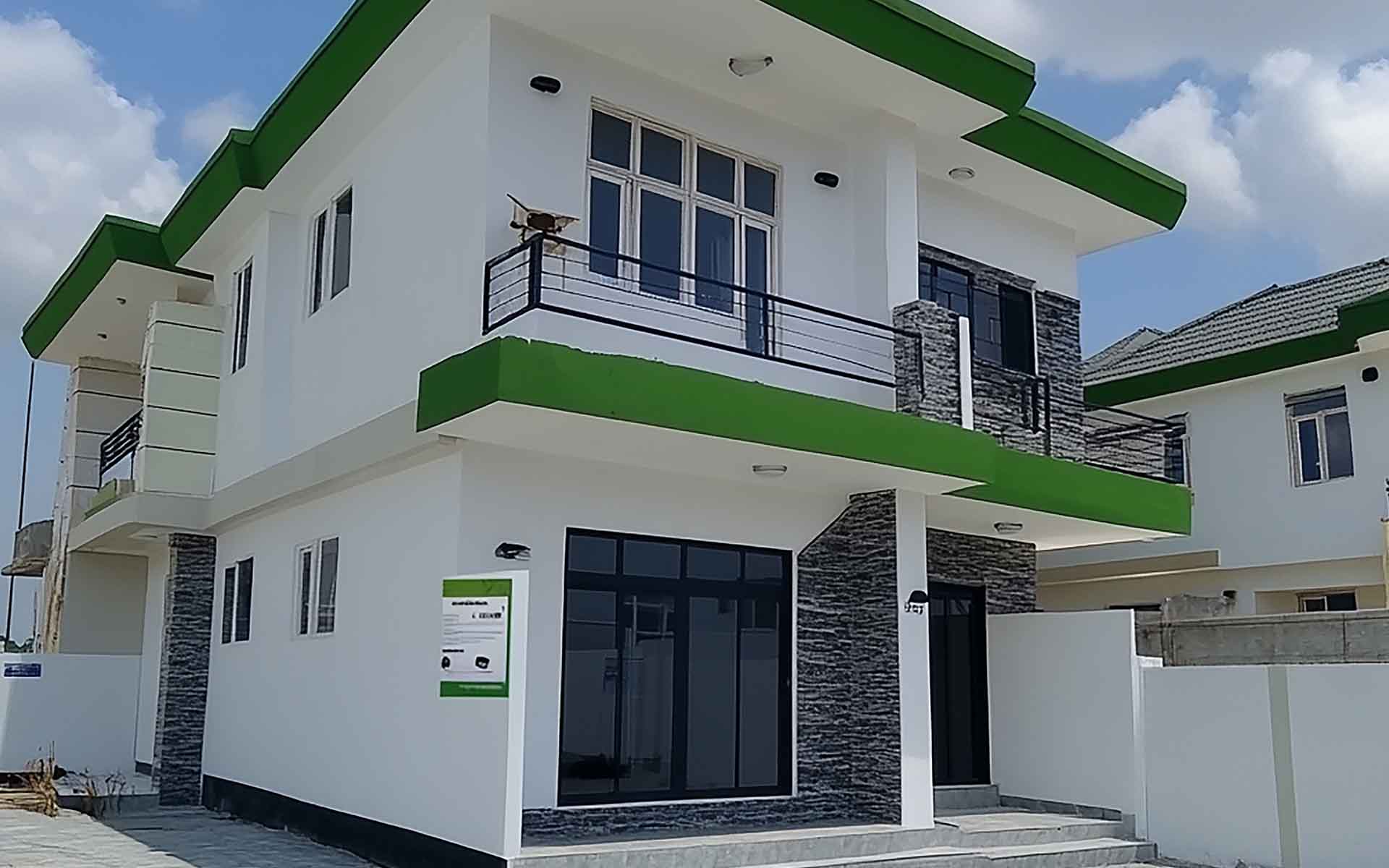
Once the site is understood, the next stage is translating your requirements into a building design.
A good architectural design should balance:
Function + aesthetics + constructability + budget.
The design should reflect how you intend to use the property rather than simply how you want it to look.
At iBuildCore Homes & Estates Limited, Architecture & Design is positioned as part of an integrated construction journey, with architectural drawings developed around the client's requirements, budget and preferences.
5. Prepare a Realistic Construction Budget
One of the most important stages is determining what the project will realistically cost.
Your budget should consider more than the visible structure.
Potential cost categories include:
- Design and professional services
- Site preparation
- Foundation
- Structural works
- Roofing
- Electrical installation
- Plumbing
- Doors and windows
- Flooring
- Painting
- Kitchen
- Bathrooms
- External works
- Landscaping
- Utilities
- Labour
- Materials
- Project management
- Contingency
A budget that only considers the cost of blocks, cement, steel and labour is unlikely to represent the full cost of completing a home.
6. Plan Procurement
Construction materials need to be available when they are required.
Procurement involves identifying suppliers, comparing quotations, sourcing materials and coordinating delivery.
Effective procurement can help reduce unnecessary delays and improve control over project expenditure.
The objective should not simply be to find the cheapest material. It should be to achieve the appropriate balance between:
Quality + Price + Availability + Reliability.
7. Begin Construction
Once the necessary planning and preparations have been completed, construction can begin.
Depending on the project, the construction sequence may progress through:
Site preparation → Excavation → Foundation → Structure → Roofing → MEP installations → Plastering → Flooring → Doors and windows → Painting → Fixtures → External works → Furnishing.
Professional supervision and project management are critical throughout these stages.
8. Monitor the Project
Construction should not become a "pay and forget" activity.
You need to know:
- What has been completed?
- What is currently being worked on?
- What materials have been purchased?
- What payments have been made?
- What is the next milestone?
- Are there delays?
- Are there changes to the budget?
This becomes especially important for people who work full-time or live outside Ghana.
Technology can make project monitoring significantly easier. iBuildCore's construction-as-a-service model incorporates live progress updates and reporting so clients can follow construction progress remotely.
9. Inspect and Complete the Property
Before handover, the completed property should be inspected.
Defects, incomplete work and outstanding installations should be identified and addressed.
The goal is not simply to reach the point where the building "looks finished." The project should be properly completed according to the agreed specifications.
10. Handover and Property Management
Once construction is completed, the property can be handed over to the owner.
However, the relationship between the homeowner and construction service provider does not necessarily have to end at handover.
Maintenance and facility management can help preserve the value, functionality and appearance of the property.
Building a House Should Be a Managed Process
The biggest lesson is that successful construction requires coordination.
Land, design, procurement, contractors, finances, materials and project monitoring all need to work together.