- Opening Hours: Monday - Saturday 9 am to 5 pm

- First Floor, Premier Towers,
Ministries Accra - Call us!+233 322 194 384
- Email:info@ibuildlimited.com
How to Build a House in Ghana from Abroad: A Guide for the Diaspora - iBuildCore Homes & Estates
Aug/26
- ibuildlimitedAdmin
- Construction
- August 10, 2026
- 0 Comments
For many Ghanaians living abroad, building a home in Ghana is a long-term dream.
The idea is attractive: purchase land, build a beautiful home and eventually return to enjoy it.
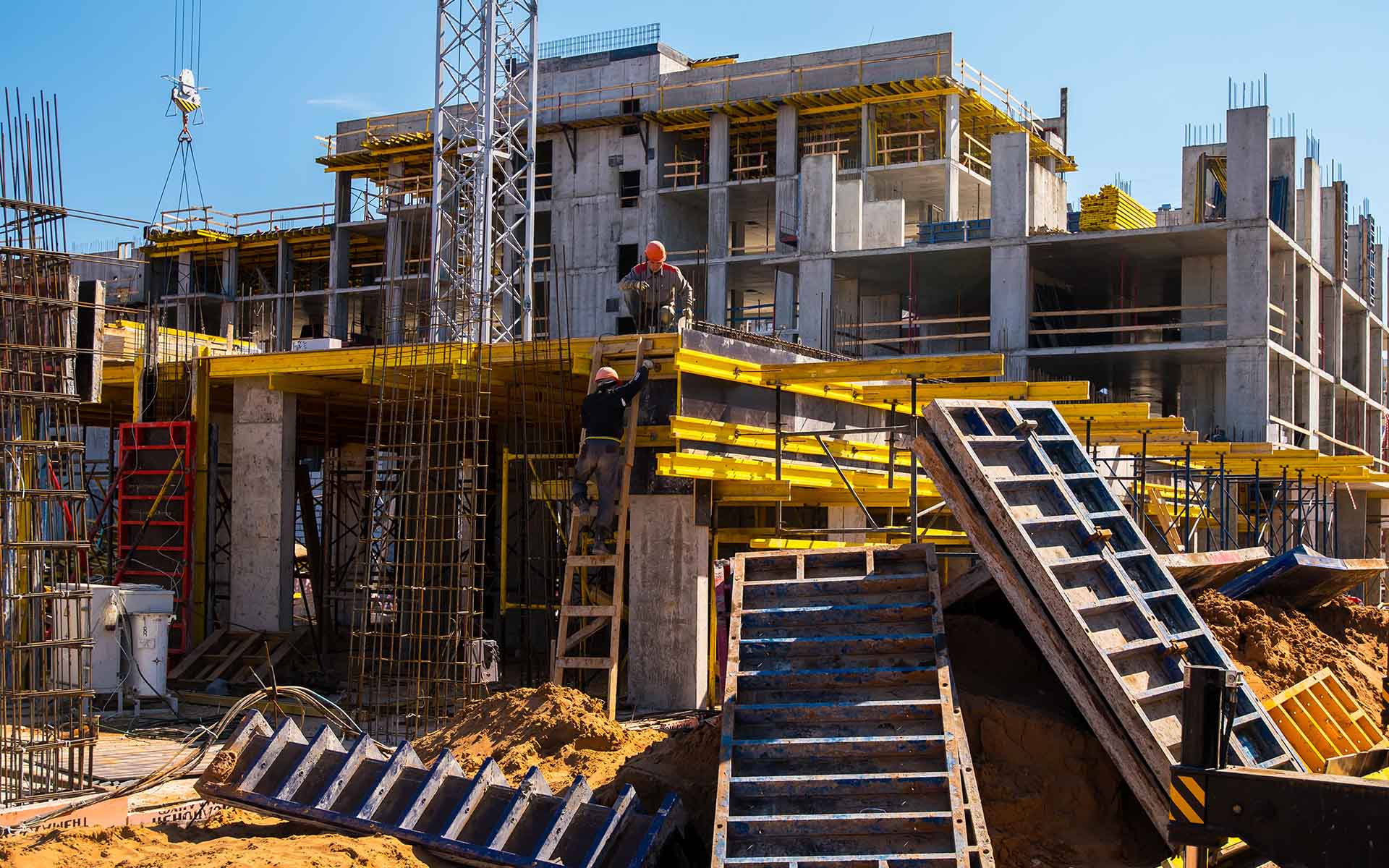
But managing construction from thousands of kilometres away can be challenging.
Who is supervising the contractor?
Who purchased the materials?
Has the foundation been completed?
Are the workers on site?
Was the agreed material actually purchased?
Has construction stopped?
These questions demonstrate why remote construction requires a strong management system.
1. Start With the Right Land
If you are purchasing land from abroad, don't rely exclusively on photographs or verbal assurances.
The property should undergo appropriate verification and assessment before significant commitments are made.
Location, documentation, accessibility and development suitability are important considerations.
2. Establish a Clear Design
You need to know exactly what you are building.
A detailed architectural design provides a reference point for:
- Space requirements
- Dimensions
- Materials
- Construction expectations
- Cost planning
- Project communication
Avoid relying solely on informal sketches or verbal descriptions.
3. Create a Detailed Budget
Your budget should account for the entire project rather than simply the structural stage.
Consider:
- Professional services
- Materials
- Labour
- Logistics
- Finishing
- Utilities
- External works
- Project management
- Contingency
A clear budget makes remote decision-making easier.
4. Work With Professionals
One of the greatest risks of remote construction is relying on informal arrangements without adequate professional oversight.
A managed construction model can coordinate the relevant professionals and contractors on behalf of the homeowner.
5. Establish Procurement Controls
Materials represent significant expenditure.
Remote homeowners should have visibility over:
- What is being purchased
- Quantity
- Price
- Supplier
- Delivery
- Intended construction stage
This reduces dependence on informal verbal reporting.
6. Monitor Progress Digitally
You should not have to wait until your next trip to Ghana to discover what has happened to your house.
Technology allows construction updates to be shared through:
- Photographs
- Videos
- Progress reports
- Digital documentation
- Project communications
iBuildCore's construction-as-a-service concept is built around live monitoring, allowing clients to see construction progress remotely.
7. Establish Clear Decision-Making
Remote projects require clear communication.
Before construction begins, establish:
- Who approves changes?
- Who communicates with contractors?
- How are variations handled?
- How frequently are updates provided?
- How are payments authorised?
- What happens when unexpected issues arise?
Ambiguity creates delays.
8. Don't Manage Construction Through Family Alone
Family members can provide valuable support, but being physically present is not the same as having construction expertise.
Construction requires technical knowledge, procurement management, quality control and project coordination.
A family member can visit a site and report that "everything looks fine" without necessarily identifying structural, workmanship or specification issues.
That is the opportunity behind iBuildCore Homes & Estates Limited: Construction as a Service for Salaried Workers and the Diaspora.
9. Consider a Managed Construction Service
This is one of the reasons construction-as-a-service models are particularly relevant to the diaspora.
Instead of managing architects, contractors, suppliers and site activities independently, clients can work through one coordinated construction service.
The iBuild concept describes its approach as:
"Everything from excavation to furnishing — one team, one plan."
Building From Abroad Requires Trust and Visibility
The two most important principles are:
TRUST
You need competent professionals managing your project.
VISIBILITY
You need reliable information about what is happening.
You shouldn't have to choose between being physically present every week and completely trusting verbal updates.
A professionally managed construction system can bridge that gap.
Your Home Can Be in Ghana Even When You Are Abroad
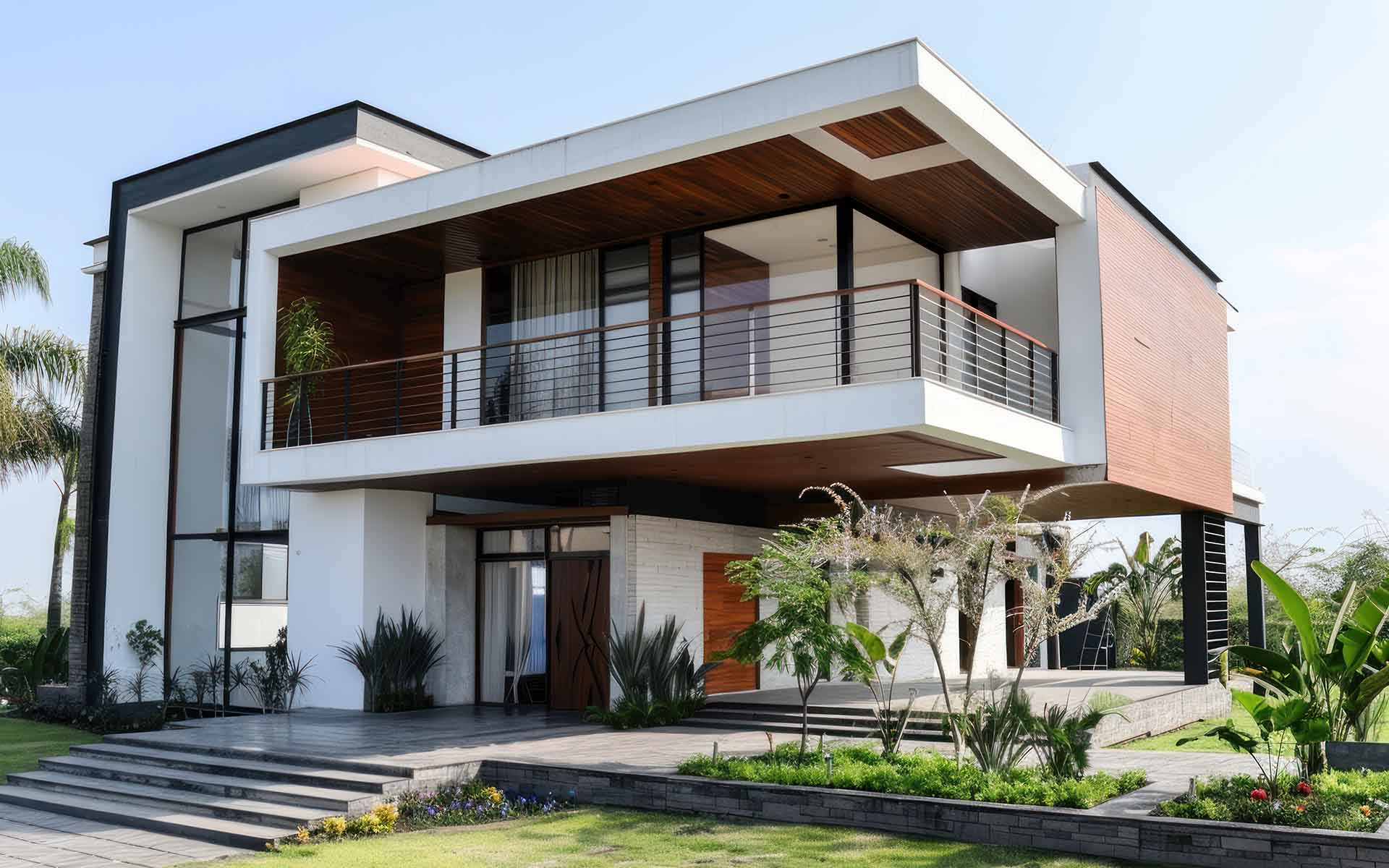
Being outside Ghana should not mean abandoning your dream of home ownership.
With appropriate land assessment, professional design, structured procurement, construction management and remote progress monitoring, the building process can be more organised and manageable.